

Taking Out the Trash in Eastern PA

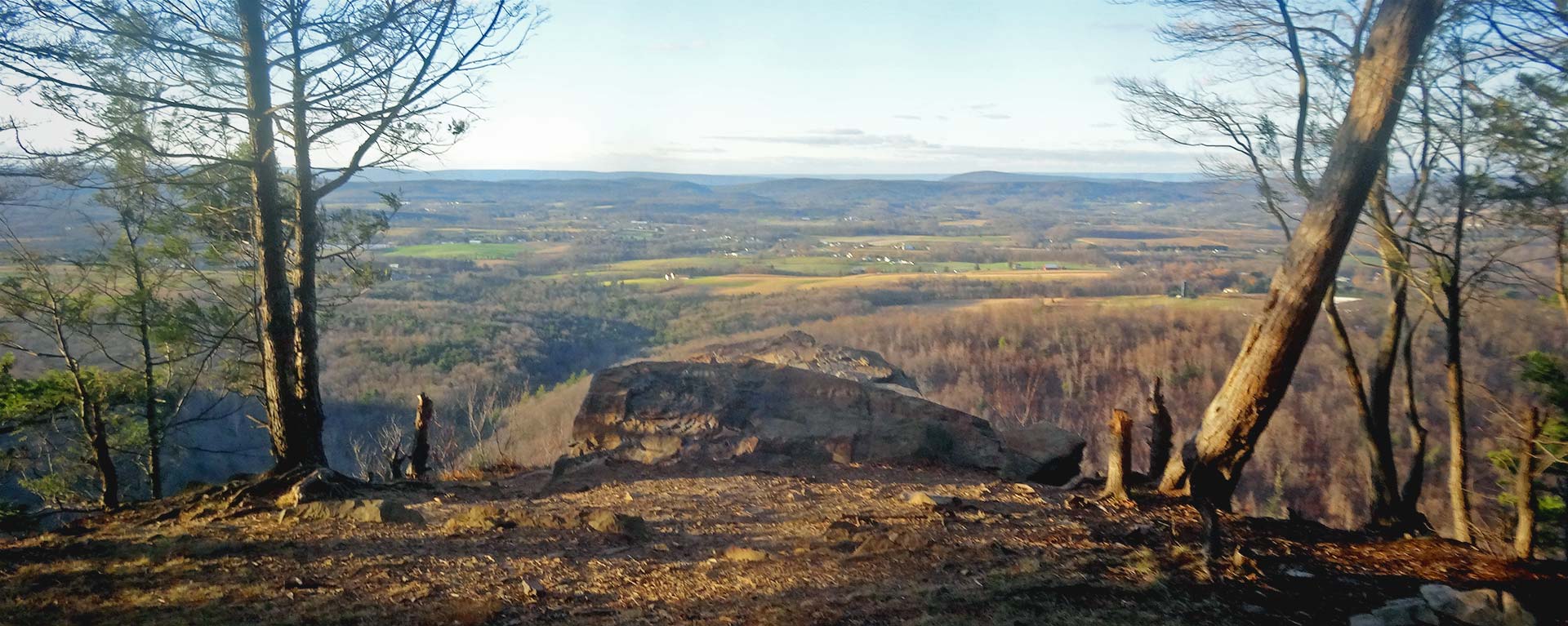
Hawk Rock Duncannon PA 2015-11-20

While hiking along the Appalachian Trail last Friday, I was surprised to see a dog on the trail with a guy clambering up the steep rocky slope below. I wasn’t sure what was going on so I was apprehensive as I approached. His pace quickened as I drew closer and he got back on the trail just in time to rein in the leash of his dog as I got within talking distance. His dog was friendly enough but he just wanted to be sure it was fully under control as I passed by. It’s refreshing to see someone taking the control of their dog seriously but it was truly surprising to see that his hands were full of trash and litter.

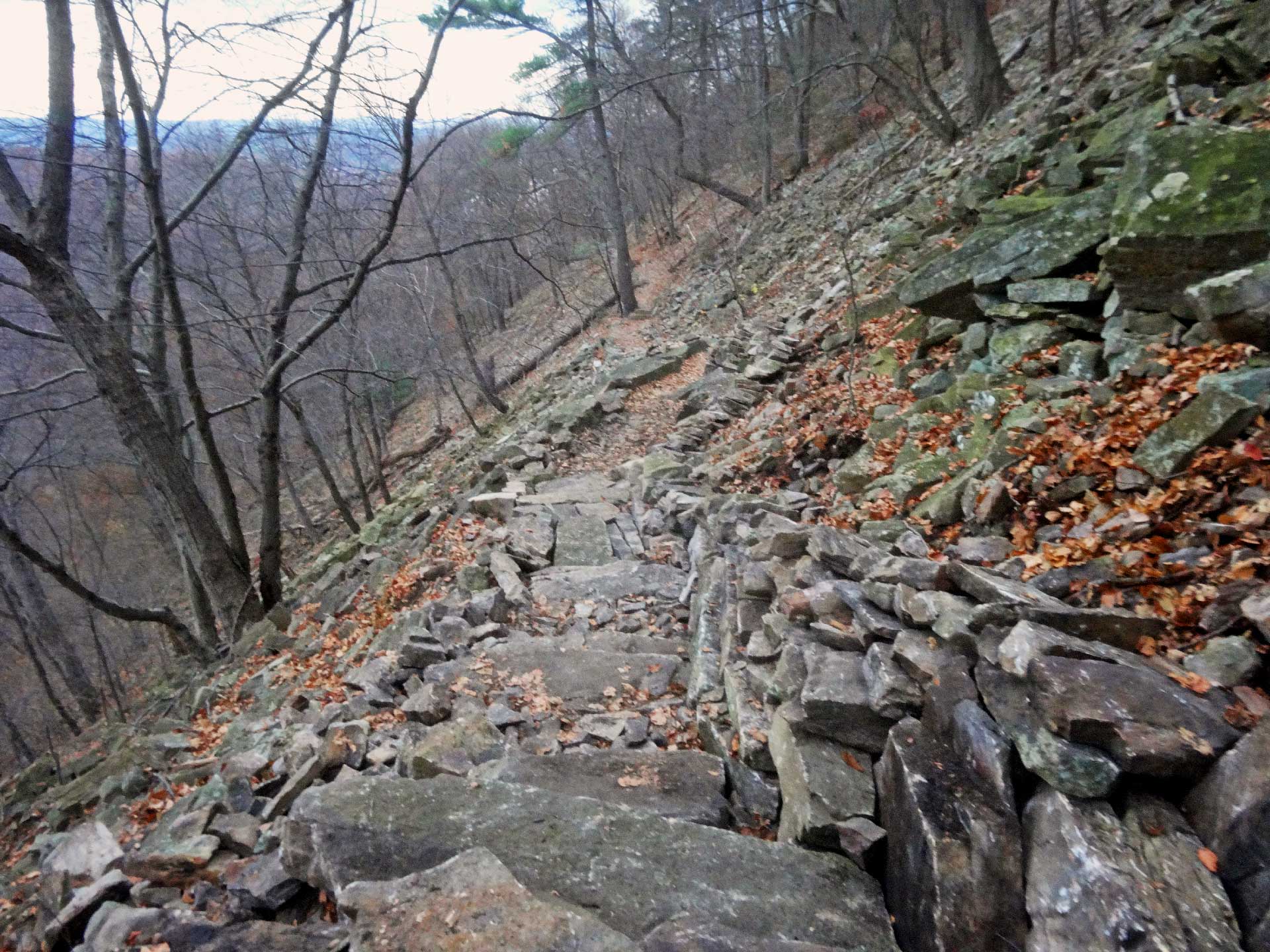
The Rock Slide Below Hawk RockI asked him if he went all of the way down there just to pick up some trash, and he said, “Yeah, that’s what I do.” As it turns out, I was talking to John Becker of “Taking Out the Trash in Eastern PA“. Mr. Becker was on a mission to hike the Susquehanna gap and hiking up to Hawk Rock was his last hike of the day. Even though the evening was fast approaching, he couldn’t just leave the trash on the ground tarnishing such a beautiful and unique view so he literally took the matter into his own hands. Out of all of the surprising things I’ve seen people do on the trail, this was one of the better ones.

John is determined to leave this world cleaner than the way he finds it. If you would like to help him achieve his goal, please check out “Taking Out the Trash” on GoFundMe. The world needs more people like him. Thanks for doing what you do Mr. Becker.

DOC October Night Hike – Where Have All the Little Brown Bats Gone?

DOC LogoThe Duncannon Outdoor Club had a nice night hike up Peter’s Mountain on Oct. 24th.  As we began our assent one could actually see all the flashing lights in Duncannon as the Halloween Parade marched down Market Street.  Once at the summit, on the southern side of the mountain, winds hit with a vengeance, so our discussion on Little Brown Bats was rather hasty.  It was good that we cut it short because we returned just as the rains came.

smallbrownbat707.JPG[1]

So what about Little Brown Bats?  Have you notice that during summer nights you no longer see bats flying around?  Did you know that their absence has caused a lot of concern?  One Little Brown Bat ate up to 3,000 mosquitoes and flying insects at night.  A colony of 100 Little Brown Bats in a Pennsylvania cave ate more than a quarter million mosquitoes and small insects a night.  Now the cave is empty.  Concerns about increased cases of mosquito born diseases like the West Nile Virus are real, since bats are the only major predators of night flying insects.

There are 9 kinds of bats living in Pennsylvania during the summer months.  The Little Brown Bat was the most common bat in PA.  Now it is one of the rarest with a 98% mortality rate due to the White Nose Syndrome (WNS).  A total of 5.7 million bats have died.   Many bats migrate south during the winter, but the Little Brown Bat enters a state of torpor in caves, tunnels, and mines.  The bats are declining rapidly because of WNS, a fungus that thrives in cold damp environments, were they overwinter.  It is believed that the fungus was brought over from Europe around 2006 on equipment and shoes of spelunkers.  With the Little Brown Bat producing only one pup per year, the lowest reproductive rate of any mammal its size, its future looks very dim.

The WNS exhibits itself as a white coating on the muzzle, ears and wings of the bats causing painful lesions.  The pain wakes the bats up, using important fat reserves.  Unfortunately the bats wake too early before there are any insects available.  They starve once their fat reserves have been utilized.

So what can be done?  The State Game Commission has gone into survivor management mode in an attempt to save the species.  A few bats have survived and it is hoped that their genes will provide immunity to WNS in their offspring.  People are urged to stay out of caves, tunnels and mines during times or torpor, and to assure that clothing and equipment are cleaned before entering such environments.  Building of bat houses provides a safer place for summer residence during breeding and enable one to keep a bat count.  Volunteer to take part in the Appalachian Bat Count during the summer.  Go to http:www.pgc.state.pa.us and use the search tool for “Appalachian Bat Count”.