 NEXT MEETING: The Duncannon Appalachian Trail Community Advisory Committee will hold its next meeting Tuesday, November 19th at 6:30 PM in the Duncannon Christ Lutheran Church located at 115 Church Street. RSVP is not required but it’s greatly appreciated. Our agenda will focus on next year’s 2014 Duncannon A.T. Community Festival and we’ll discuss the popular Duncannon Map Brochure project, fundraising, festival sponsorship, the progress we’ve made in the past month and further increasing meeting attendance.
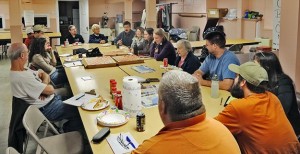 OUR PREVIOUS MEETING: The October 22nd DATC meeting was a great success with 17 people arriving to show their support. Dennis Hurley and a friend have offered to look into applying for a 501(c)(3) rating as a nonprofit organization. Pastor Beth Martini brought up some great suggestions to help the community and the Doyle Hotel. Trisha Sanders (SATC President) announced that the local 4H will be helping out at our 2014 festival and that the $1,500 donation from the Jeffrey P. McKee Foundation for the defunct Appletree Alley project would be transferred to the DATC. A proof of the DATC Map Brochure was displayed which Joe Ether can use to help acquire more donations from businesses. Charlie Johnson of the Susquehanna Rovers Volksmarch Club is looking into organizing another big hike during the 2014 festival. Many different attendees provided Continue reading →
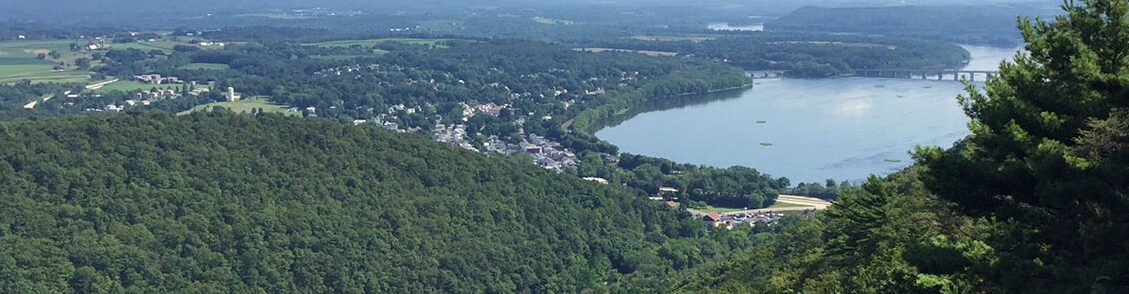
 Join the DOC for an average paced 5 mile hike over rough terrain on Nov. 16th at Colonel Denning State Park, Hike up a steep climb to Flat Rock Lookout and back down. We will be looking for Black Vultures and Turkey Vultures and discuss the differences between them. This is a strenuous hike! Meet at the Duncannon Family Health Center at 9:00 am. to carpool. Alternately meet at the Colonel Denning parking lot across from the trail head to Flat Rock Trail at 9:45 am. Call 834-9216 or email dtakach@duncannonatc.org to register. Hope to see you there!