
Vernal Ponds and Jefferson Salamanders Hike

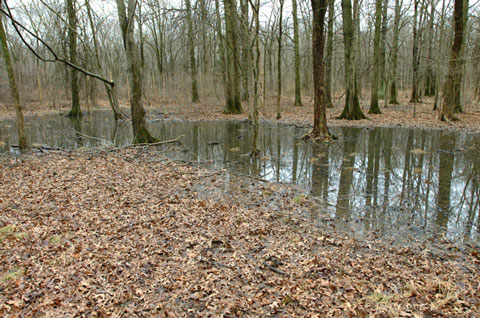
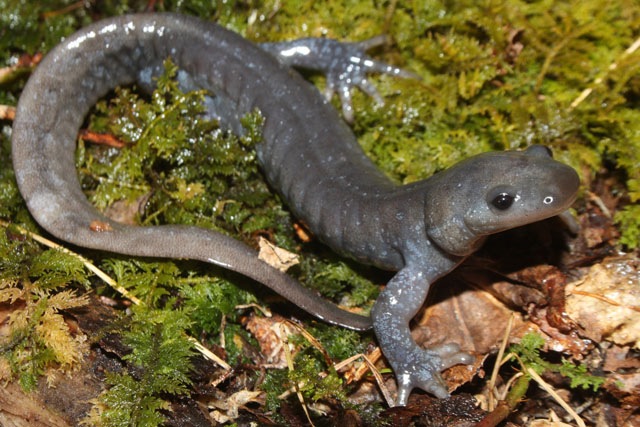
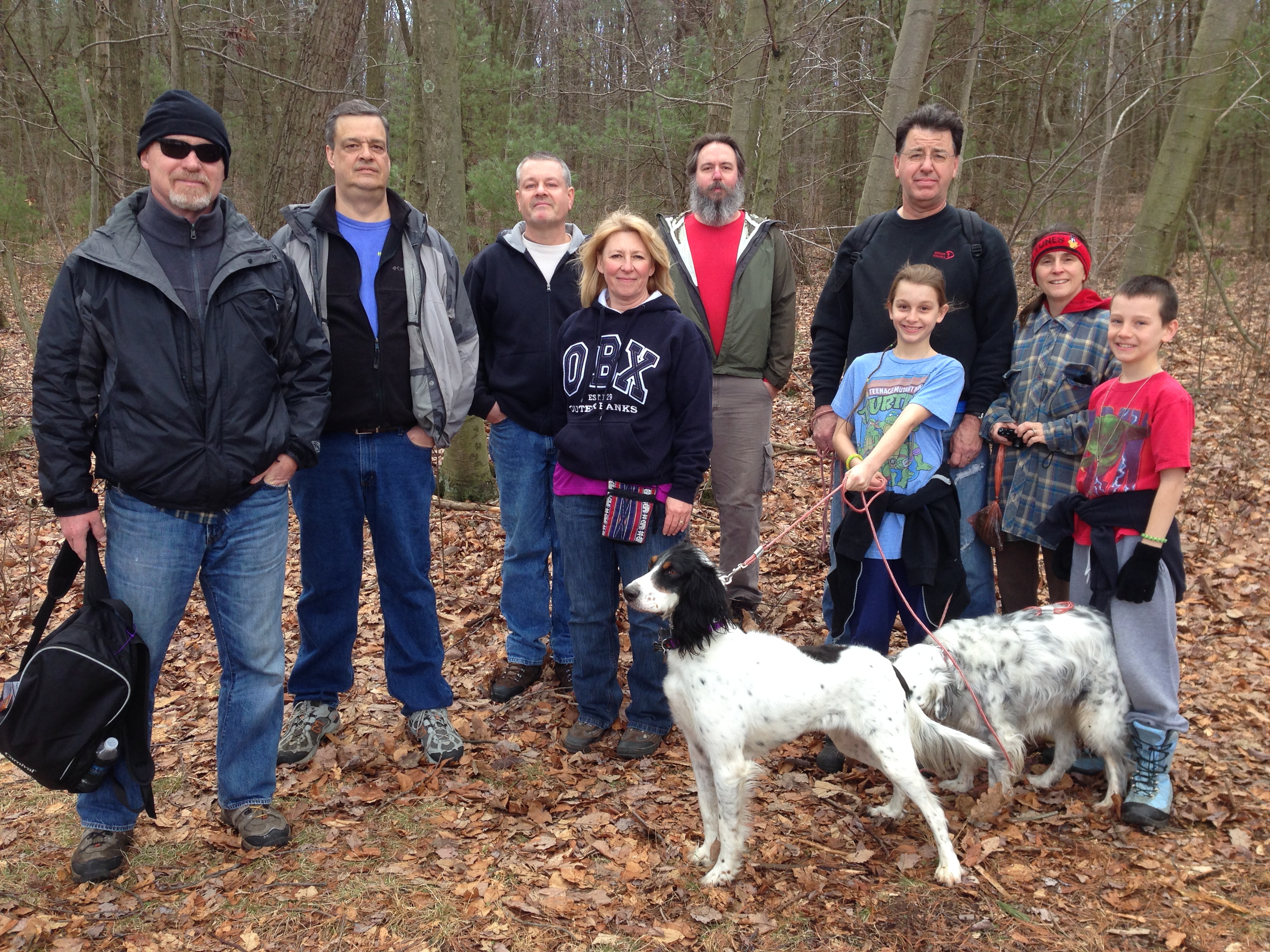
DOC LogoIt was a great day, a little windy, but you couldn’t ask for better weather and trail conditions.  We even got to hike on moss!  Just the week before the trails were covered in snow and ice making footing very precarious.  The vernal  pond was not frozen over making observation easy with no sign that the Jefferson Salamander had been there.  It has not been quite warm enough yet for them to migrate.  We also stopped at the non-vernal pond and had a little discussion about toads and frogs.  There was a little excitement on the way back when one of the puppies got loose, but the kids made a mad dash and caught the dog. Continue reading

Feeling Blue? Try This…

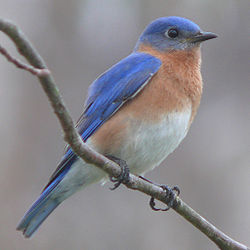
Eastern Bluebird

Eastern Bluebird

The winter months in Pennsylvania can bring a joy to us all.  There are the snow covered mountains, icicles dangling from tree branches and icebergs floating down the rivers.  For some, a few months of this is more than enough and your mind begins to have “warmer” thoughts.  As the winter thaw has begun and spring is here to celebrate, you might consider the blue in your backyard, bluebirds!

The eastern bluebird is native to Pennsylvania but has the challenge of surviving among some non-native species.  This is where you can get involved and have the joy of watching these birds thrive in your own backyard. Continue reading

Ashes to Ashes

bark of mature ash tree

bark of mature ash tree

The ash trees in our state of Pennsylvania are under attack!  The villain is discreet but extremely effective.  Millions of ash trees have been killed to date and chances are all true ashes will have perished when it is said and done.  The worst part may be that you never saw it coming.  In fact, if the trees in your own backyard have not been affected, you might not of even known it was happening.  But rest assured, the ash trees as we know them are dying and there is not much you can do to stop it. The Emerald Ash Borer (EAB) is the ash tree killer that was first discovered in the United States in the summer of 2002 in Michigan.  These super creeps were most likely doing damage a decade before their discovery.  Native to Asia, there is no native or natural predator here in the states that can stop the pest.  Pennsylvania confirmed the presence of EAB in the western part of the state in 2007.  The pest is swiftly and successfully destroying our ash in more than half of the 67 counties in PA to date. Continue reading