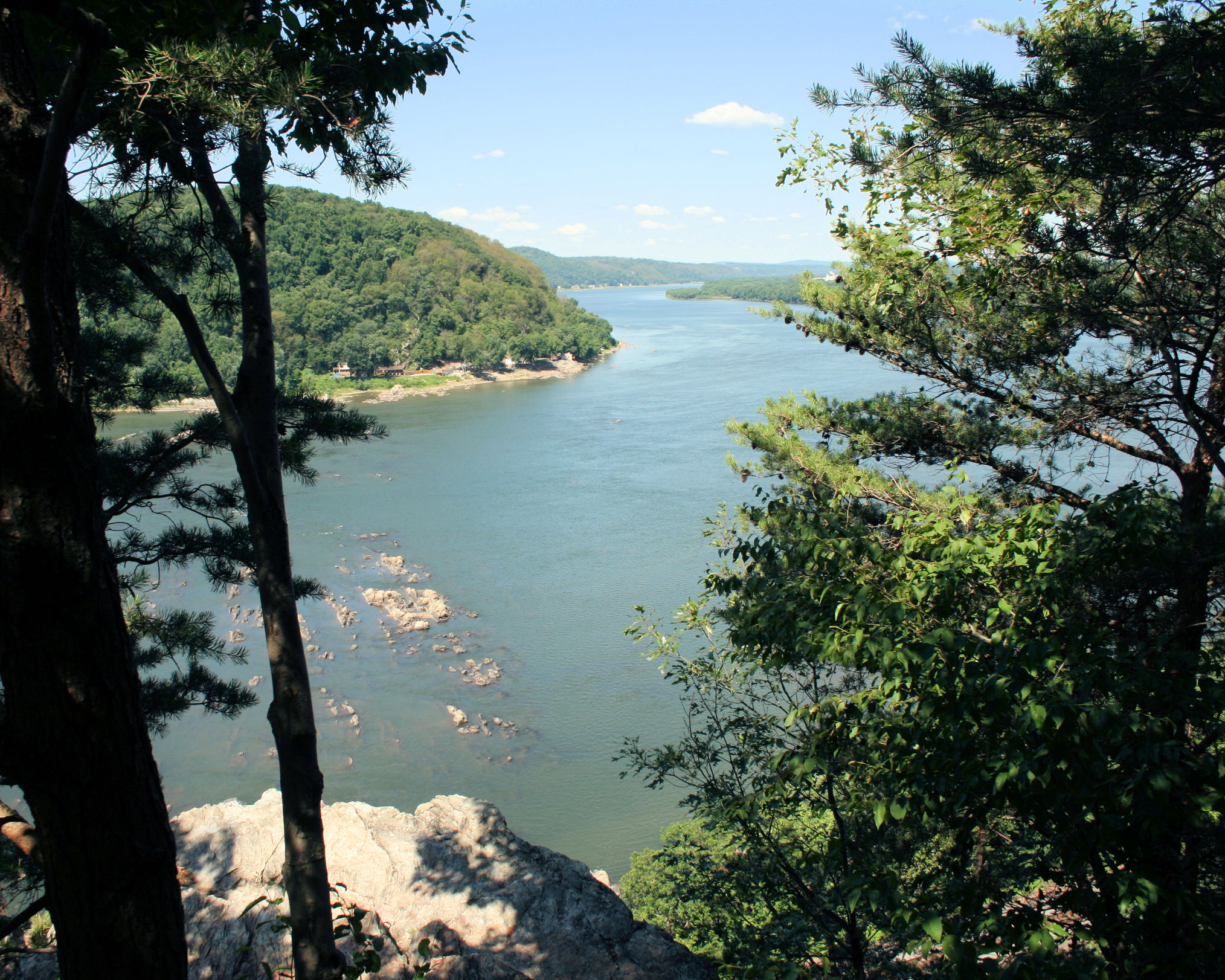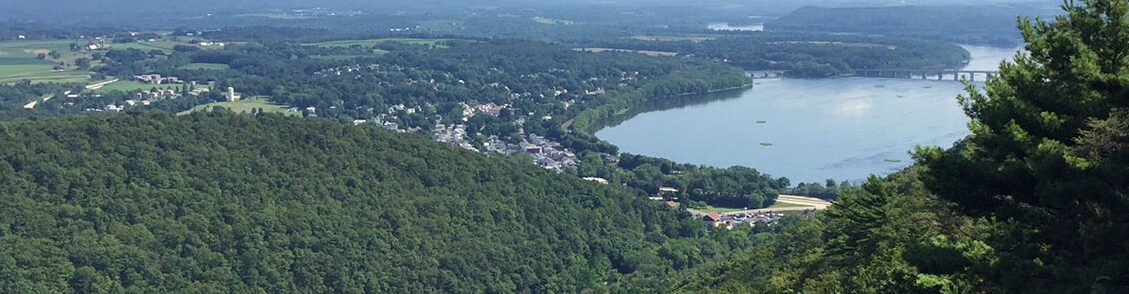
 On July 24th the Duncannon Outdoor Club had 11 participants kayak from Blue Mountain Outfitters to the West Fairview boating access. Weather was perfect for the 6 mile venture down the Susquehanna River which was completed in record time due to the swift moving waters from previous rains.
Two stops were incorporated into the trip. The first, was a pullover to Wade Island where we were lucky to find some Double-Crested Cormorant, Black-Crowned-Night Heron and Great White Egret hatchlings still in their nests. One could hear the continuous squawking from all the birds remaining on the island. Many of the kayakers were not aware that the Black Capped Night Heron and Great White Egret are endangered in Pennsylvania and are being overrun by the increasing population of Cormorants.
-
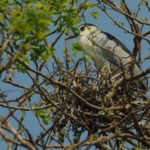
- Black-Crowned-Night Heron
-
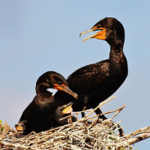
- Double-Crested Cormorant
-
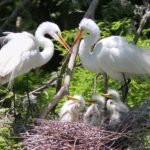
- Great White Egret
For our second stop we docked on an island to eat lunch and learn about watersheds, assessing water quality and river basins.
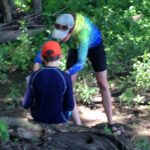

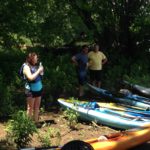
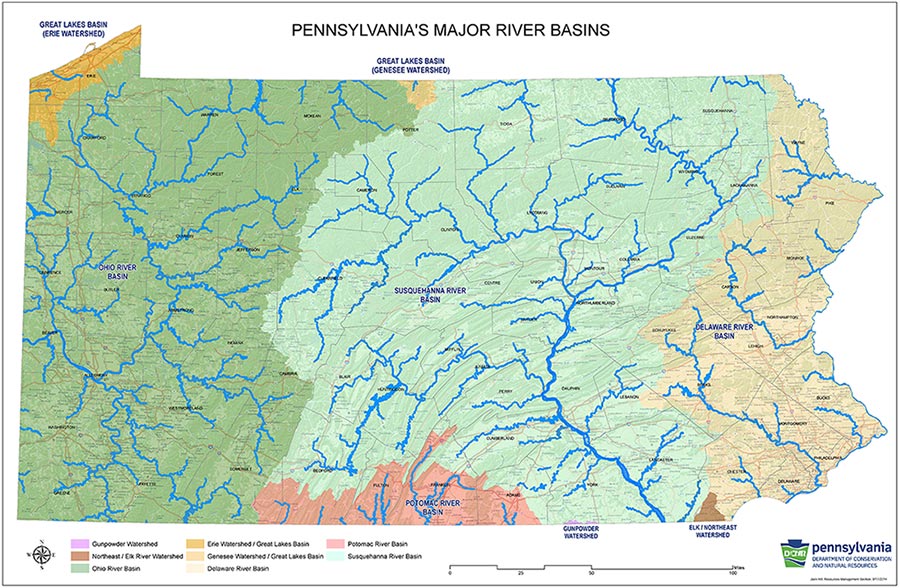
A watershed is land where surface water runs off into lakes, creeks, reservoirs and other bodies of water. A river basin is a land mass made up of many watersheds. (The watershed we were in is the Lower Susquehanna Swatera Watershed.) Maps were used to help participants visualize the 5 river basins in Pennsylvania: the Susquehanna, Potomac, Ohio, Great Lakes Basin, and Delaware Watersheds. Yes you guessed it, we are in the Susquehanna River Basin, the largest basin, making up the vertical mid-section of the state.
For assessing water quality, plans were to collect larva and nymphs from rocks on the bottom of the river shallows near the island, but due to the rapid river flow and muddy water we opted not to collect samples but discuss which larva and nymphs indicate good water quality. On past trips when samples were collected mayfly and dragonfly nymphs, and caddisfly and water penny larvae were found. Mayflies, caddisflies, and water pennies are sensitive to pollution, while dragonflies are moderately sensitive to pollution. The presence of these macroinvertebrates indicate acceptable water quality. Stoneflies were not evident, but are normally found in waters with high oxygen content such as that found in riffles, which were not present where samples had been collected.
-
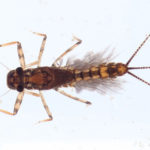
- Mayfly Nymph
-
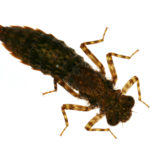
- Dragonfly Nymph
-
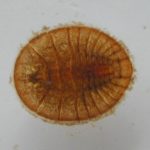
- Water Penny Larva
-
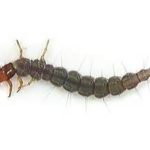
- Caddisfly Larva
Our samples were taken upstream from the mouth of the Conodoguinet. Recent studies downstream have indicated the Susquehanna is not that healthy. Mutated bass have been found to have two genders (intersex). Lesions, sores, and cancerous growths have also been evident on bass caught in the Susquehanna River. Studies have indicated a correlation: a higher percentage of agriculture in a watershed results in increased mutations. Natural animal hormones are excreted in manure which is spread on fields and washed into water sources by rain. Complex mixtures of chemicals such as chemical fertilizers and pesticides seem to be contributing to the problem. Round up, which is used by many homeowners in pursuit of the perfect lawn, is an endocrine disruptor (a chemical that interferes with hormone systems), and inevitably ends up in watersheds polluting our water sources. Another source of hormonal disruption, found in more populated areas, is the improper disposal of prescription drugs which are often flushed down drains, contaminating the water.
-

- Pesticides in Agriculture
-
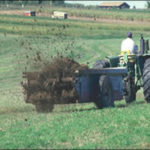
- Spreading Manure
-

- Pesticides for Lawn Care
-

- Dispose of Medication Properly
The Susquehanna is beautiful river providing many recreational pursuits. We all need to be cognizant of our influences upon it. Let’s make the Susquehanna healthy again!