-

-
The brave river goers
-

-
Waiting a turn to load up.
-

-
Docking at West Fairview,
-
-
Shuttle has arrived
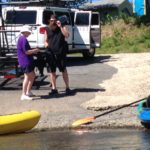
This summer the Duncannon Outdoor Club planned a boating trip. Eight brave boaters tackled a very rough Susquehanna River from Marysville to West Fairview. High winds and water nearly swamped us as we headed from Blue Mountain Outfitters to the river left. The ledges and rocks were not visible due to the high water and whitecaps caused by the ever roaring wind. This resulted in one of the canoes capsizing, but other than a sudden dunking everything turned out okay. Once in between the islands the winds were dissipated and we were able to relax a little. All in all everyone had a great time, asking, “Can we do this again?”
-
-
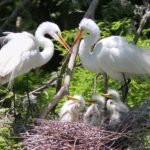
Great White Egret
-
-
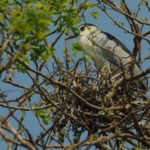
Black-Crowned-Night Heron
-
-
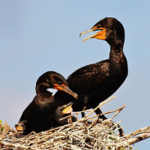
Double-Crested Cormorant
When sheltered by the islands, we floated by Wade Island being careful to keep our voices down due to the nesting colonies of the endangered Great White Egrets, Black-Capped-Night Herons and the ever increasing, invading Double-crested Cormorants. Wade Island is a designated Pennsylvania Audubon Important Bird Area and is not open to the public, but can be observed by boat.
Many people are not aware that the Great White Egret is endangered, because they are a common sight in our area. However, there are only two nesting sites in PA. A small colony in York County on the Kiwanis Lake and the largest colony which inhabits Wade Island.
The Black-Crowned-Night Heron is also endangered and more illusive then the Great White Egret. Unfortunately the colonies of both these species have declined and continue to do so due to loss of habitat, water pollution, and nesting site disturbances. Such is the case of the Cormorant colony which has disturbed the nesting site, taking prime nesting spots, and damaging habitat on Wade Island by sheer numbers and nesting habits.
Cormorants used to be rare in this area, but have increased greatly in numbers over the years. It is believed that their increasing numbers are a result of expanding fish hatcheries in the south and a larger number of small fish in the Great Lakes. Cormorants nest high in trees or on the ground of islands. On Wade Island they take prime nesting habitat in trees limiting the sites for the Great White Egret and Black-Crowned-Night Heron. Feces fall in large amounts on those below and kills trees and herbaceous growth on the island. Cormorants also damage the trees when they collect nesting material. This was evident in our trip as we passed the island. This is unfortunate for the Great White Heron and Black-Crowned-Night Heron since they nest only in the trees. When all the trees die, the Cormorants are known to nest on the ground.
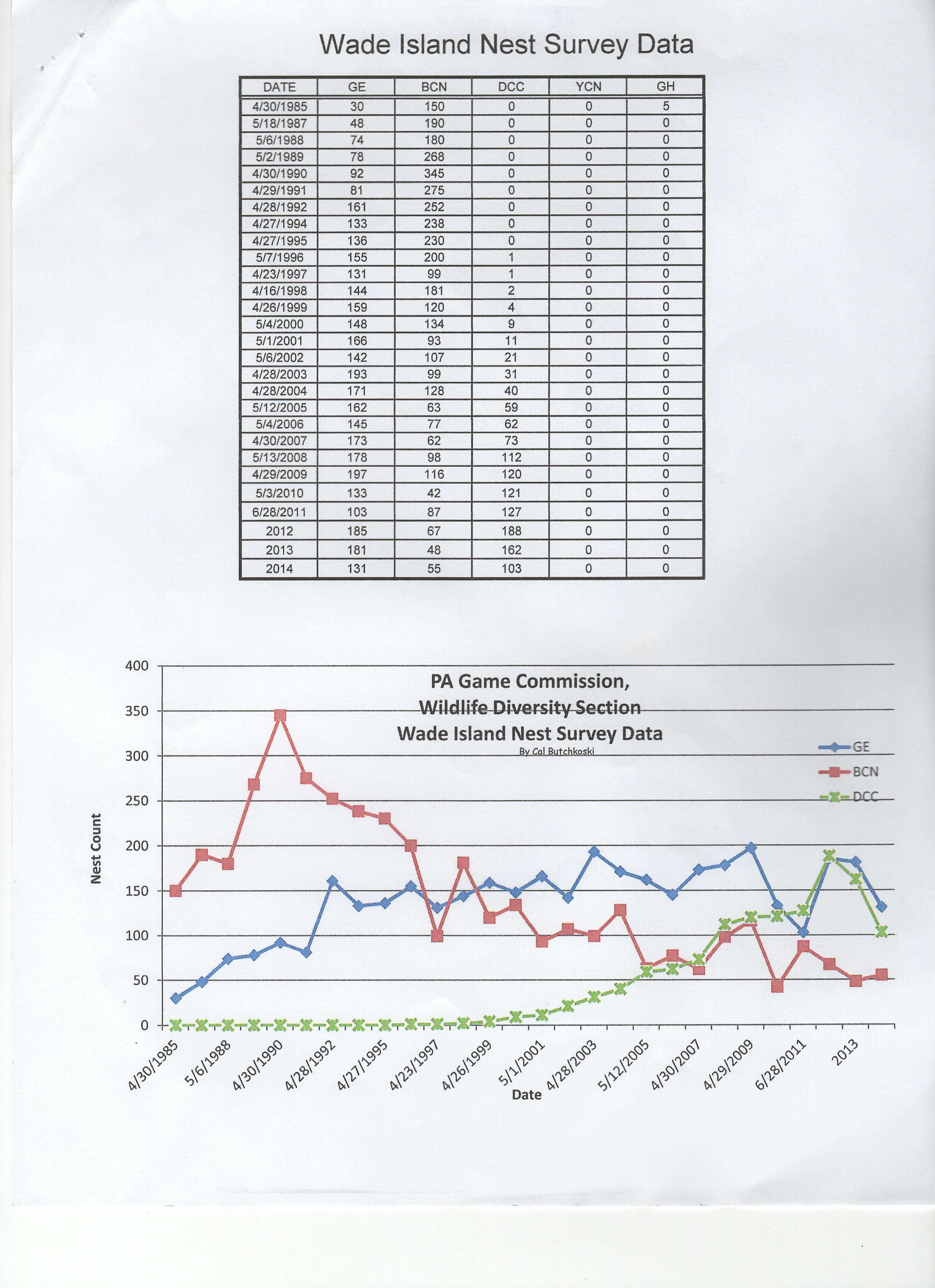
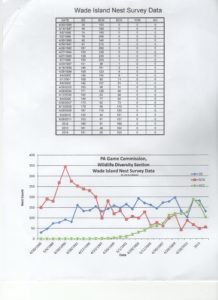
In 2006, 2011, 2012 and 2013 a number of Cormorants were culled by marksmen under the direction of the Pennsylvania Game Commission and the U.S Department of Agriculture’s Wildlife Services. The chart below shows the results. Note the decrease in Great White Egrets (red) and Black-Crowned-Night Herons (blue) as the population of Double-Crested Cormorants (green) increased. Gaining Information regarding future culling was attempted from various sources without success.
EPSON MFP image
Some people feel that we should not cull the Cormorants and let Mother Nature take her course. Others disagree believing that mankind made the changes responsible for the increasing number of these birds, and it is mankind who must remediate the results of their actions. What do you think?