![highres_324689032[1]](https://duncannonatc.org/wp-content/uploads/2014/02/highres_3246890321-300x228.jpg)
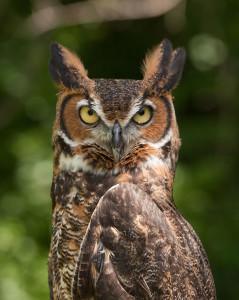
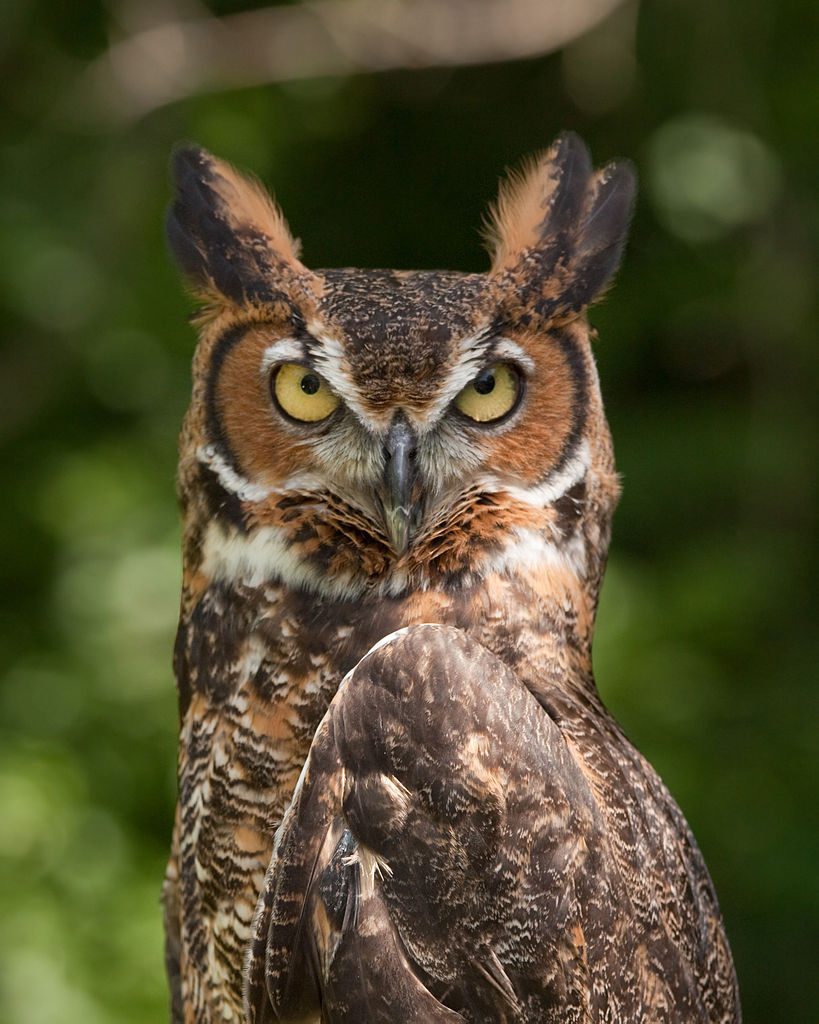
 For the January DOC hike we went out onto the Takach property in search of a Great Horned Owl’s nest. (In February the owls are in the nest and will protect their nesting sites aggressively.) The hike leader had found an area where there were promising signs of an owl’s nest. Owl droppings on an old snag used for a lookout were evident as were droppings on a large hemlock with a nest at the top. Feathers were also found at the bottom of the trees. Unfortunately, it snowed the day after finding the site so the group was unable to reach the site due to hazardous footing on a very steep hill. We went looking elsewhere without success. We did create a nesting site by using white paint for the droppings; on the ground, on a snag (dead tree – the lookout) and another tree close by with a nest in it. Scattered pellets and various feathers around the trees put on the final touch.
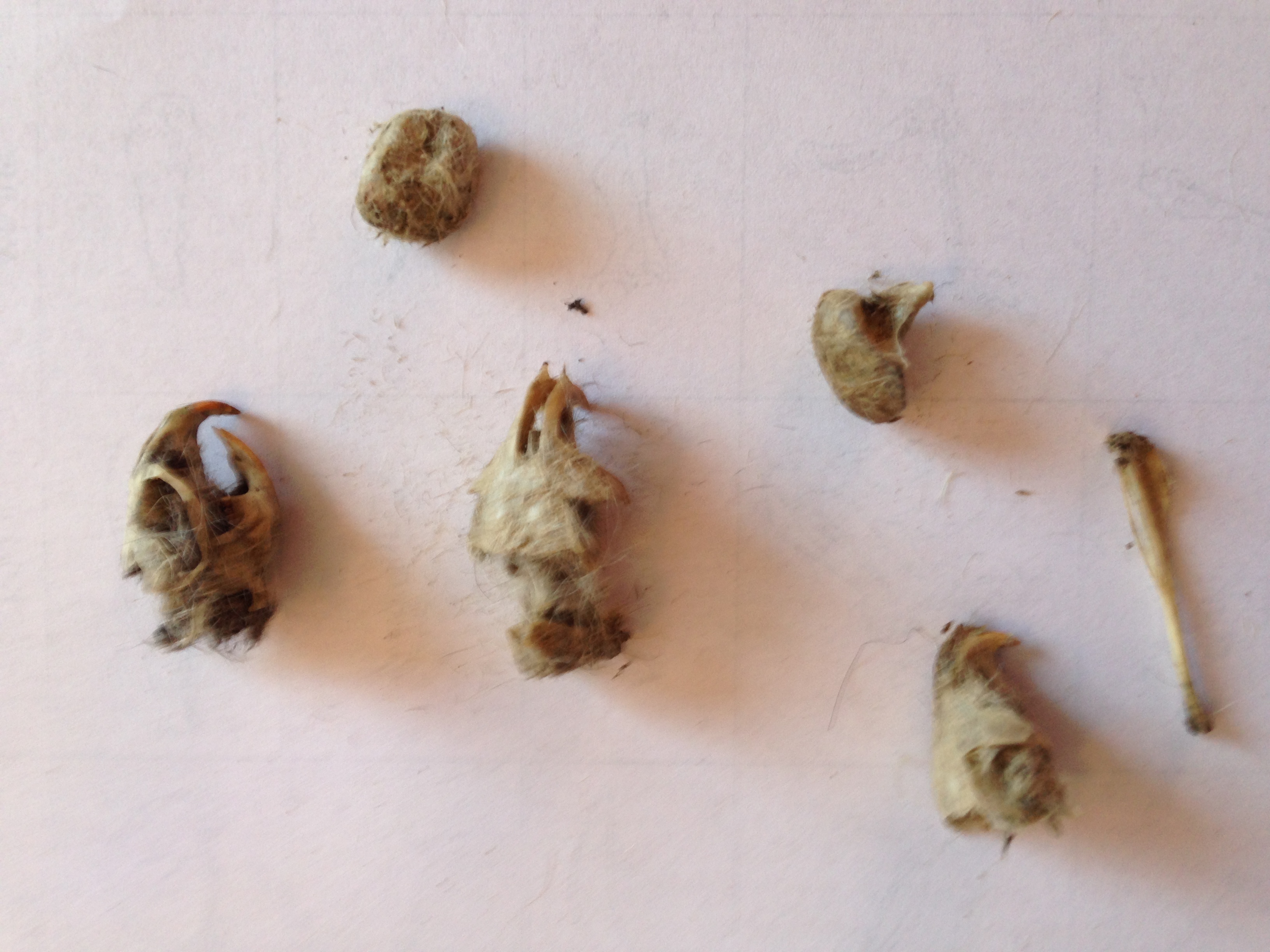
All was not lost, we learned about the great owl and had the opportunity to dissect owl pellets at the Takach’s. Moles and voles seemed to be the prevalent prey ingested by the owls. Surprisingly, we found a bird skull and a snake skull, and yes, in answer to everyone’s question and observation of the skull, snakes do have tiny little teeth to help ingest prey. Continue reading →
![highres_324689032[1]](https://duncannonatc.org/wp-content/uploads/2014/02/highres_3246890321.jpg)