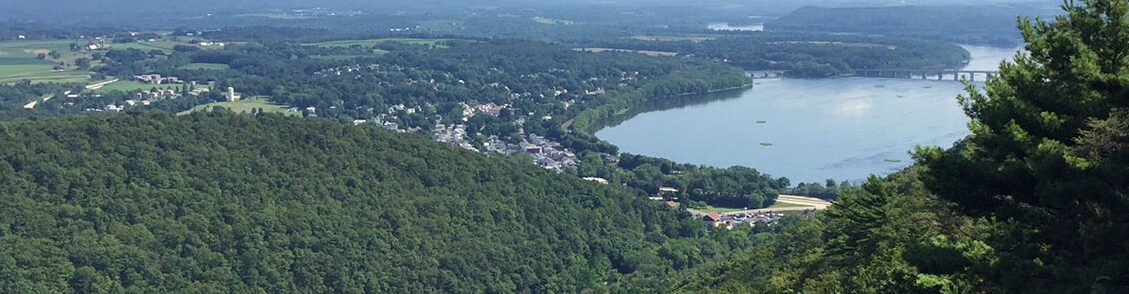

Some of the hiking clubs participating in our 2016 Duncannon Appalachian Trail Festival will be leading their own hikes during the morning of the festival and they encourage you to join their clubs to experience hiking with their fellow club members. In addition to the private club hikes, the following local Duncannon hikes are open to the public until all available spaces are filled:
 Easy – 7:45 to 11:00 – Haldeman Island: In cooperation with the PA Game Commission, this is a leisurely 2.5 mile hike touring the abundant wildlife of Haldeman Island. Located near the confluence of the Susquehanna and Juniata rivers, access to Haldeman Island is usually restricted to provide sanctuary for a wide variety of native Pennsylvania birds, including the iconic Bald Eagle. Sign up early for this rare chance to enjoy an excellent hike lead by the extremely knowledgeable and informative retired PA Game Commission Land Management Group Supervisor, Scott Bills. This hike is limited to 20 people. Please contact DATC (haldeman-hike@duncannonatc.org) to register.
  Where to park
 Difficult – 7:30 to 1:00 – Hawk Rock & Duncannon Tower Loop – Sponsored by the Day Hikers of Central PA, this is a brisk paced 11 mile hike over strenuous terrain with a 700 foot climb in the first mile. We will start and finish the hike at Tubby’s Nightclub and hike on the AT to Hawk Rock. Then we will go down a steep descent and visit the ruins of a lumber mill in the Duncannon Watershed that features a magnificent 50-foot high stone and brick tower (“The Stack”) that is still standing. Hiking poles will be helpful. You must contact the hike leader (dennis-hike@duncannonatc.org) at least two days before this hike to register. Where to park.
Please consider joining these hiking clubs that will be at the festival:
- Appalachian Long Distance Hikers Association – Represents the AT long distance hiking community; helps AT Trail clubs; provides education about the AT, and serves as a focus for AT hiker camaraderie.
- Appalachian Trail Conservancy – Preserves and manages the Appalachian Trail, ensuring that its vast natural beauty and priceless cultural heritage can be shared and enjoyed today, tomorrow, and for centuries to come.
- Duncannon Outdoor Club – Non-profit volunteer organization providing monthly educational outdoor activities to all ages.
- Keystone Trails Association – Dedicated to providing, preserving, protecting and promoting recreational hiking trails and hiking opportunities in Pennsylvania.
- Mountain Club of Maryland – Hiking and trail maintaining club.
- Susquehanna Appalachian Trail Club – One of thirty-one groups maintaining the Appalachian Trail, organized to provide the opportunity to enjoy and learn about nature through outdoor recreational activities.
- York Hiking Club – Non-profit organization maintaining sections of the Appalachian Trail & the Mason-Dixon Trail System, and also offers hikes open to the community.
 The Duncannon Appalachian Trail Community recently rejoined the


![north-america-migration-flyways[1]](https://duncannonatc.org/wp-content/uploads/2015/12/north-america-migration-flyways1.jpg)